



Продукция
массаж
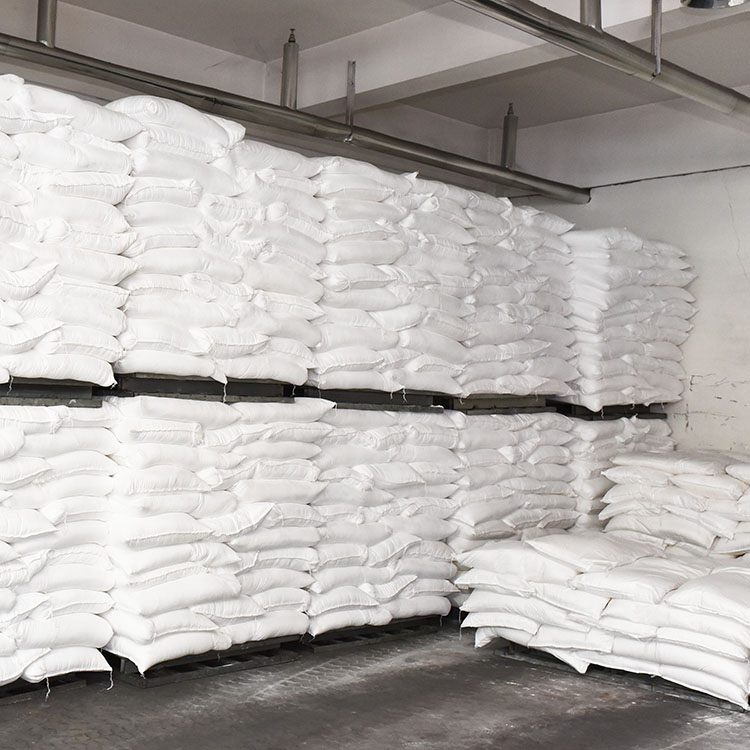
Карбонат кальция
Параметры продукции
Основные свойства
I. Физические свойства
Внешний вид и морфология
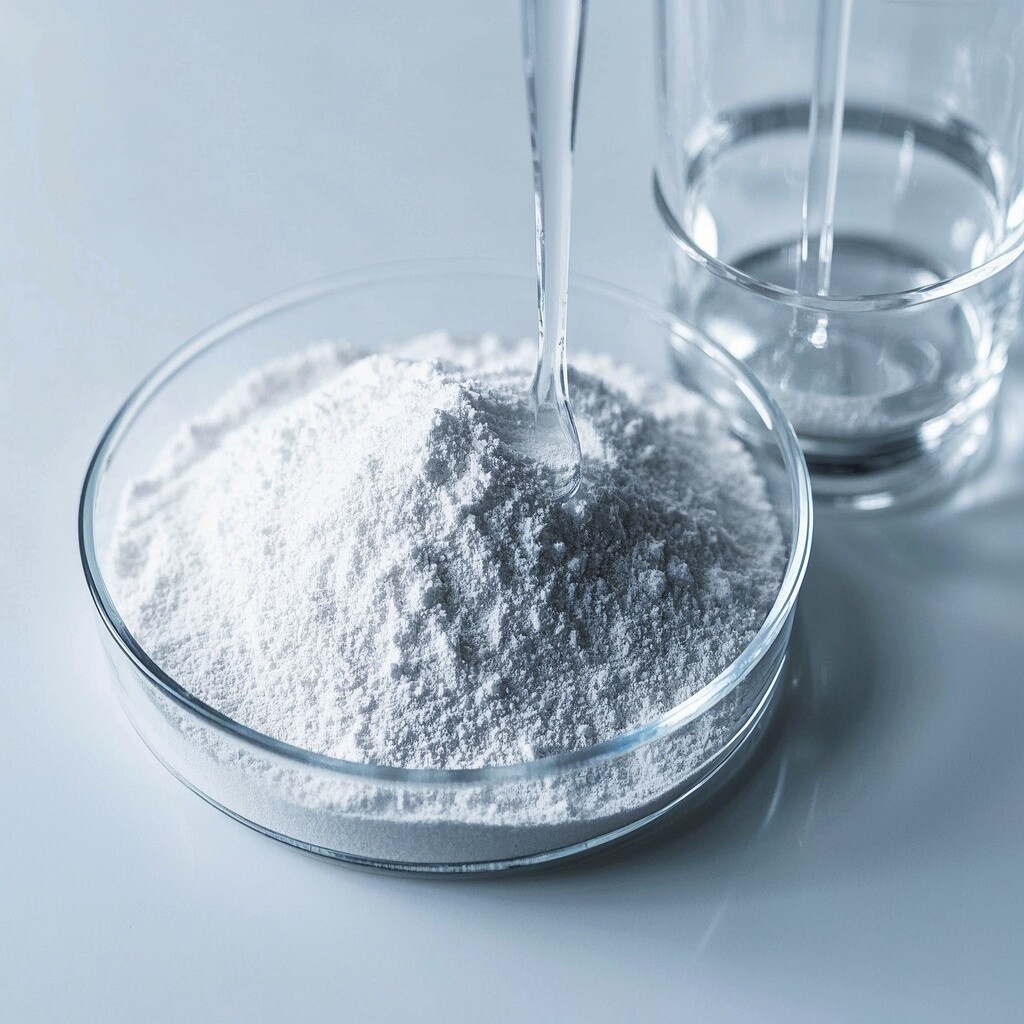
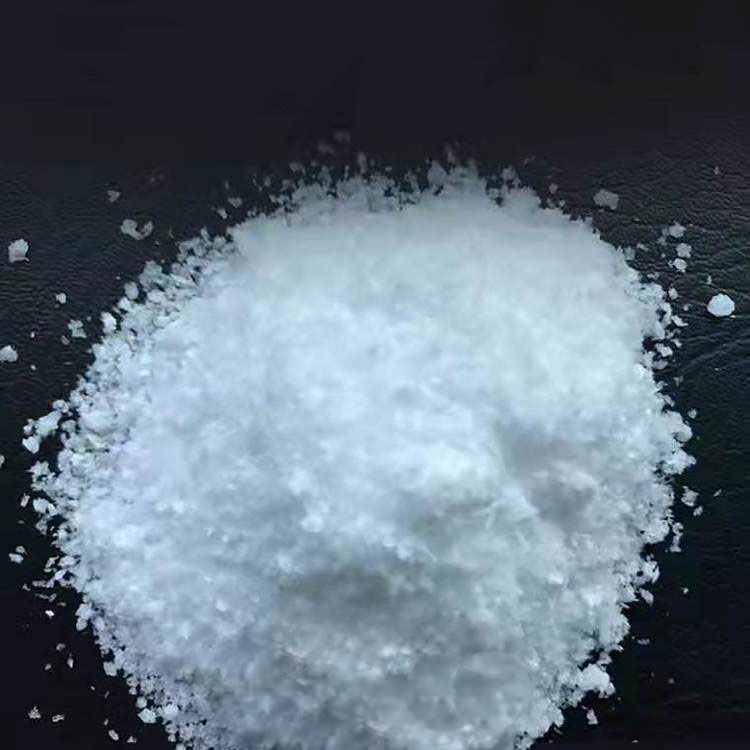
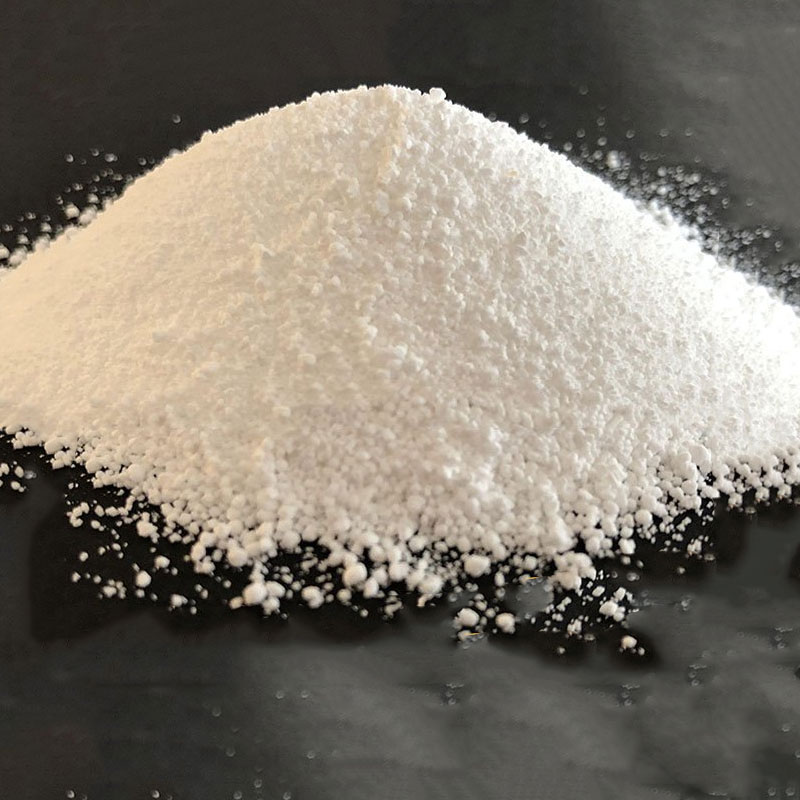
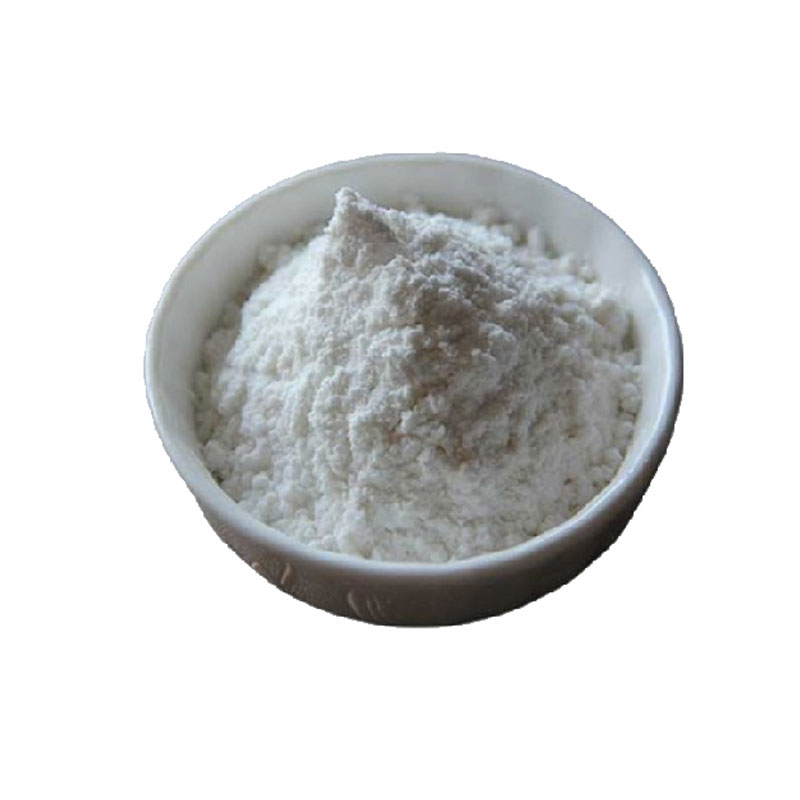
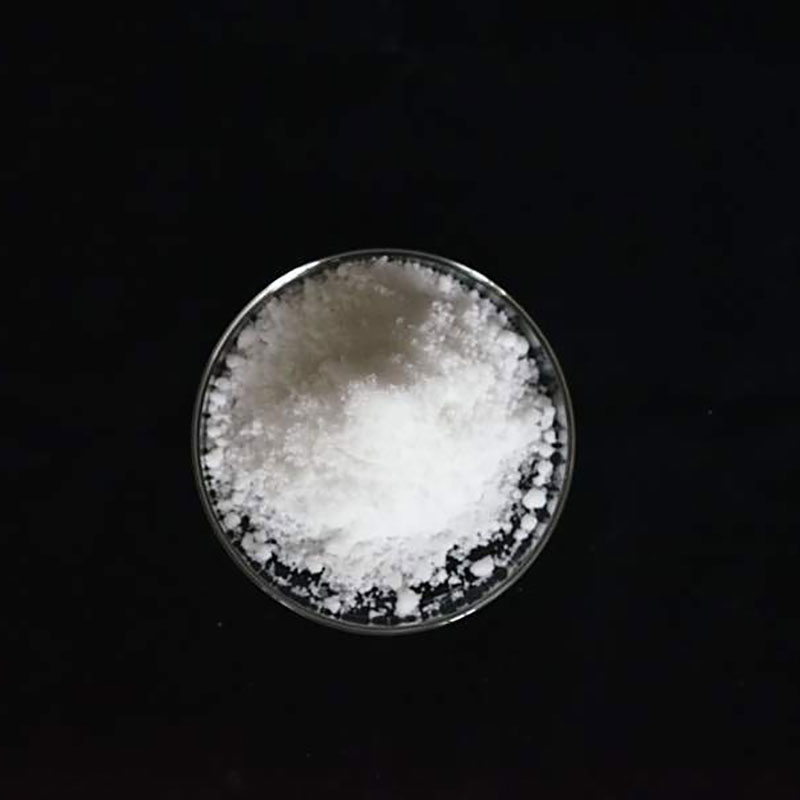
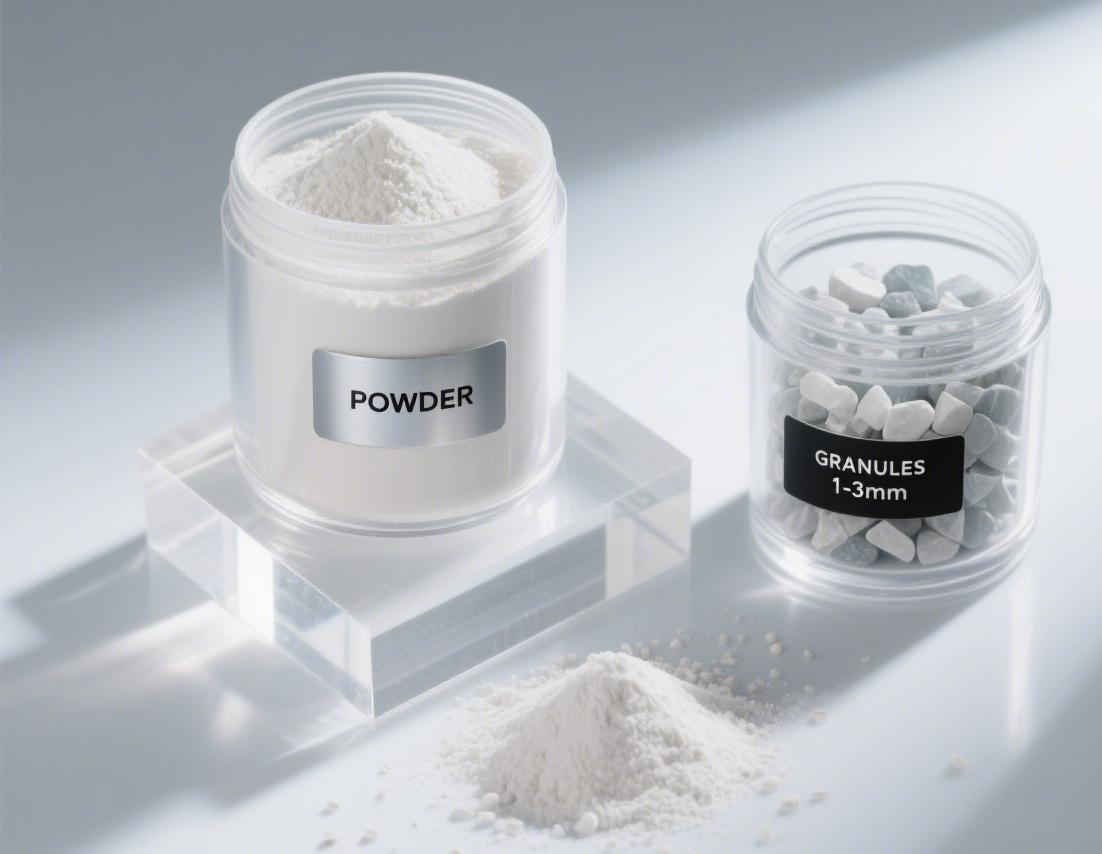
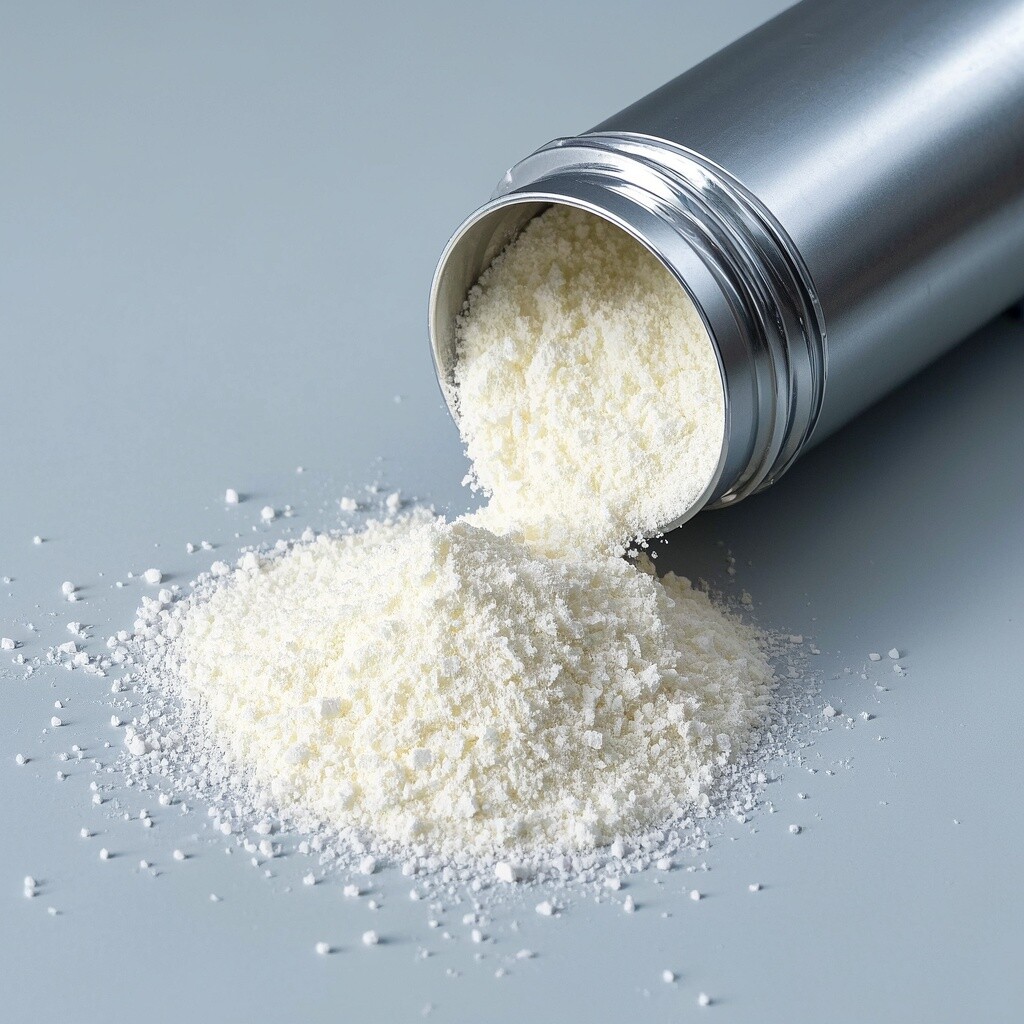
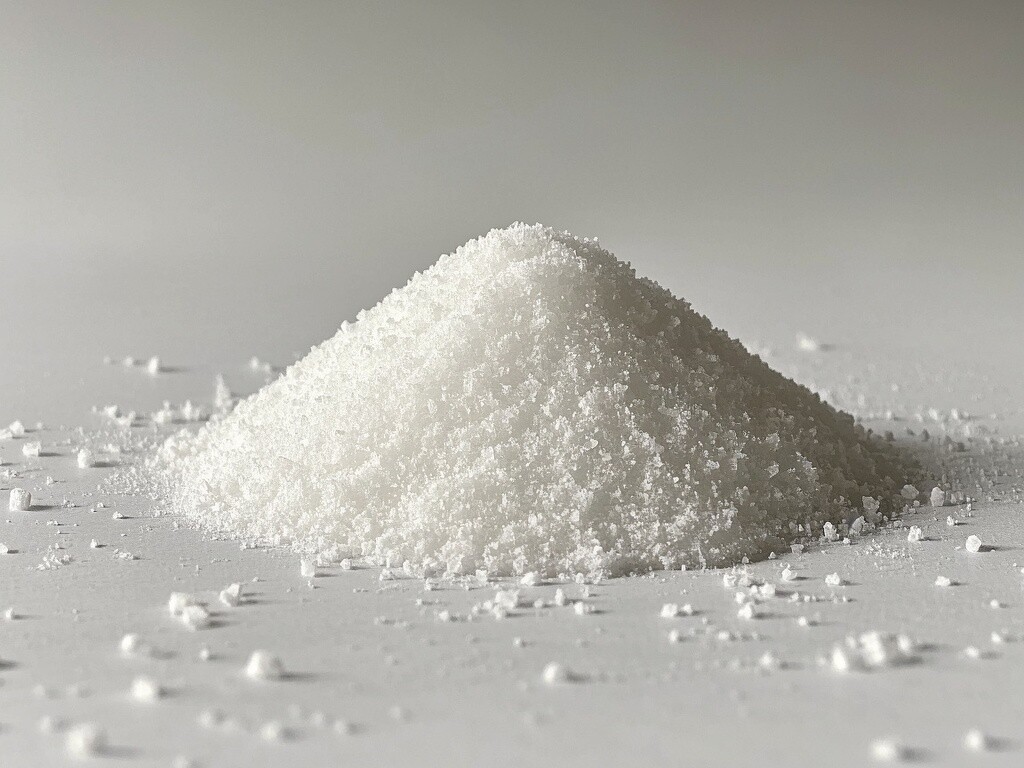
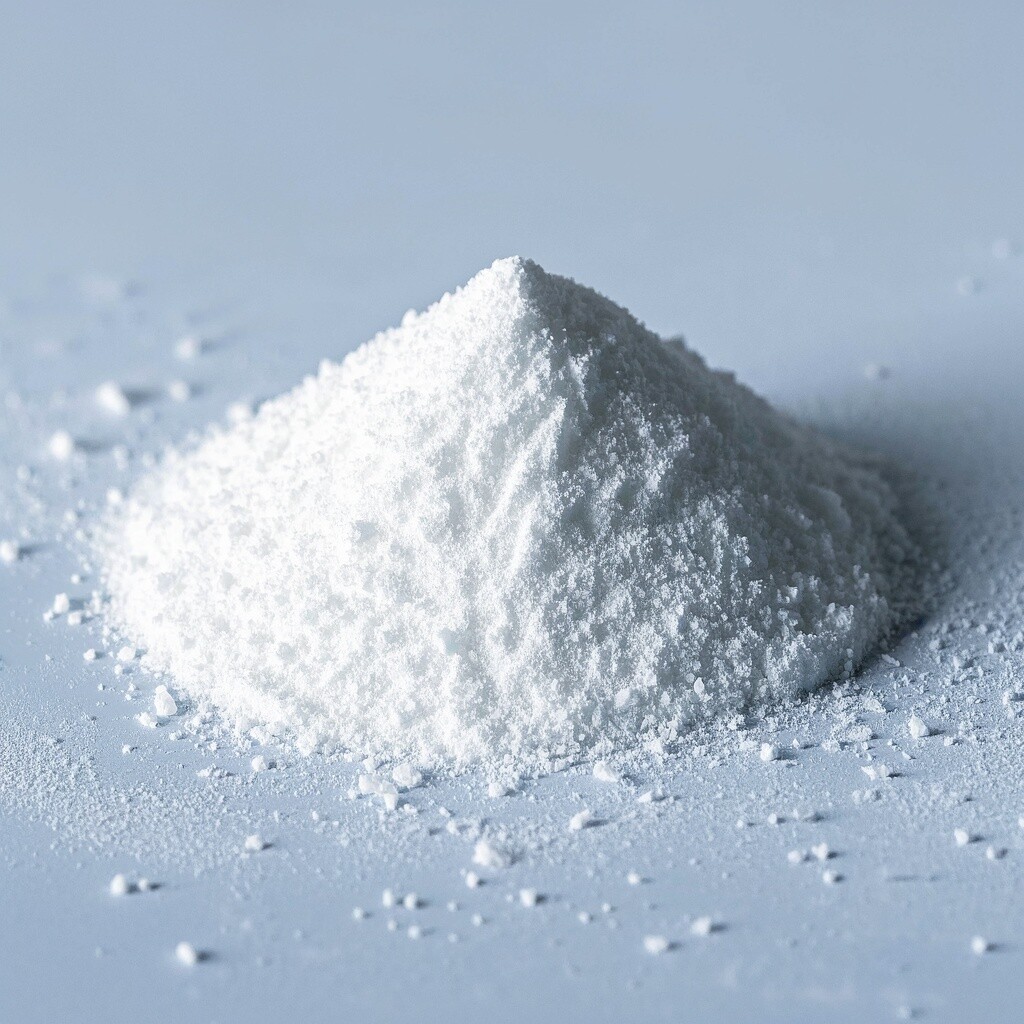
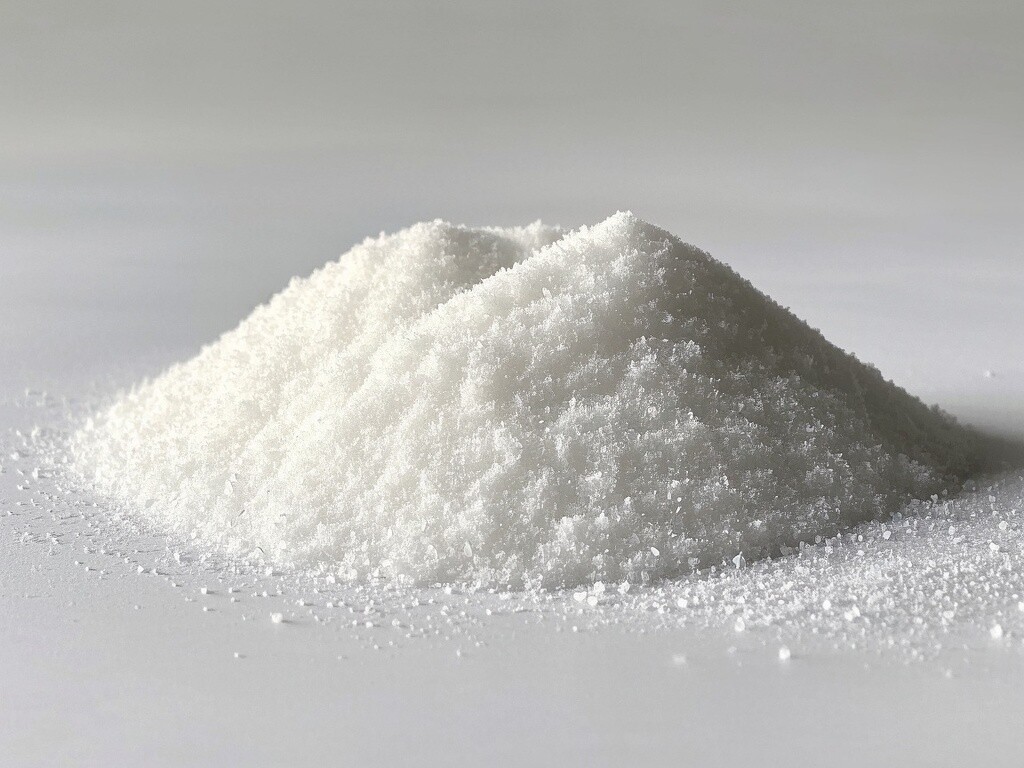
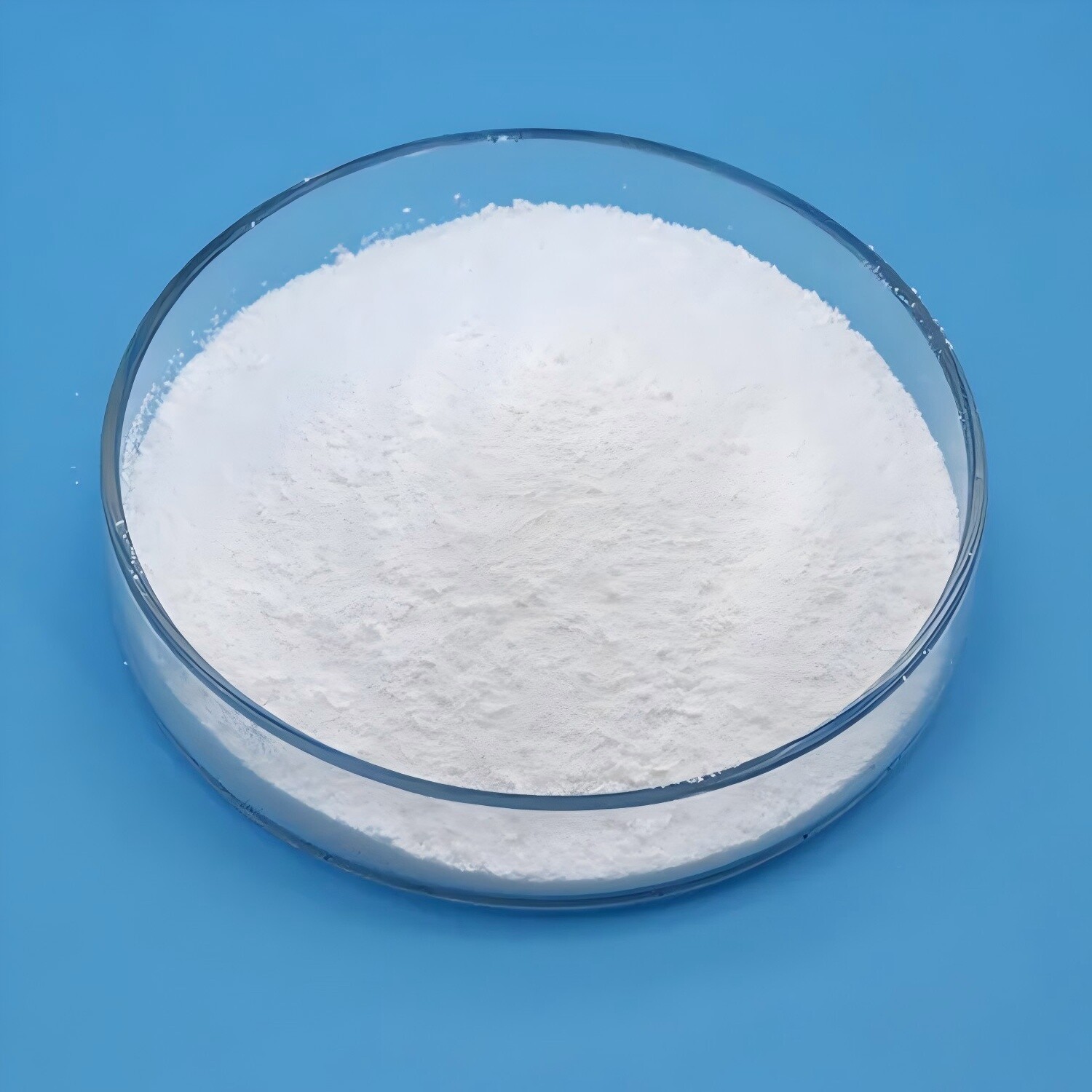
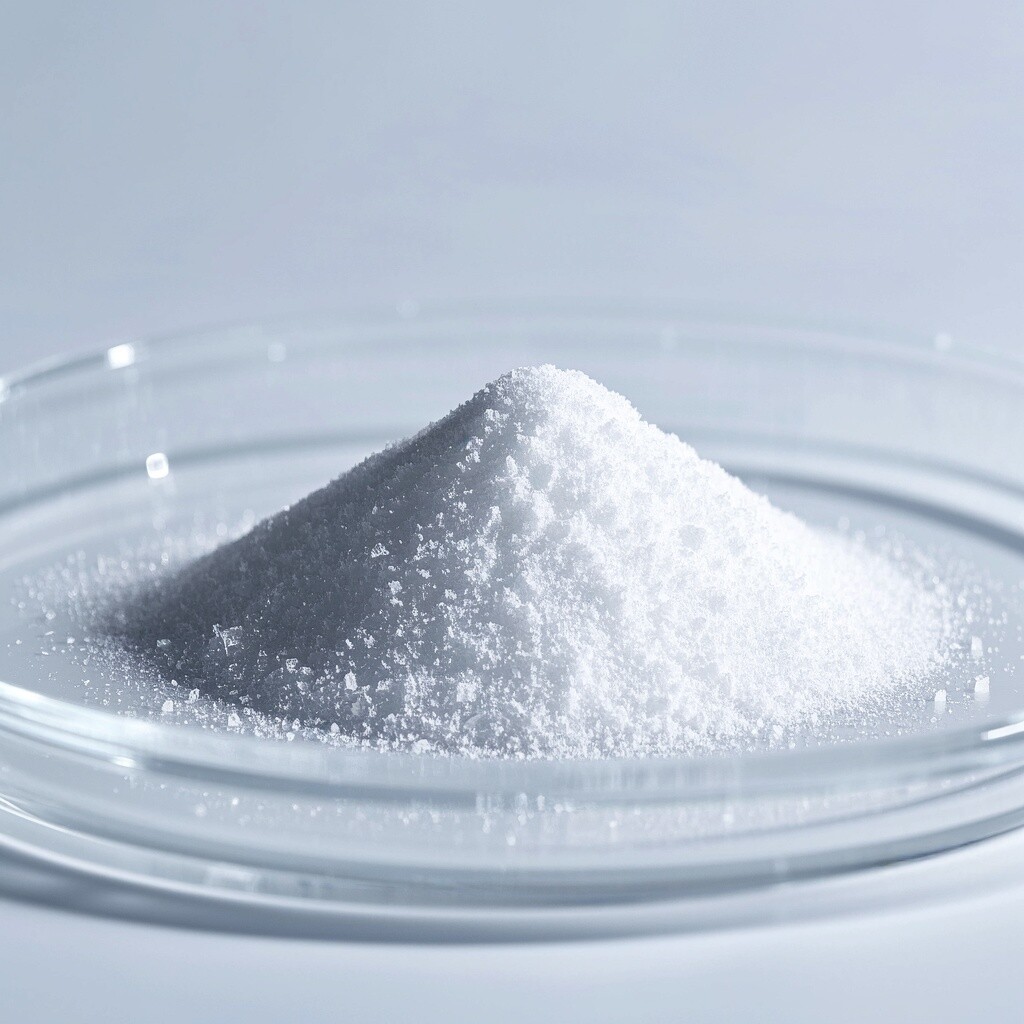
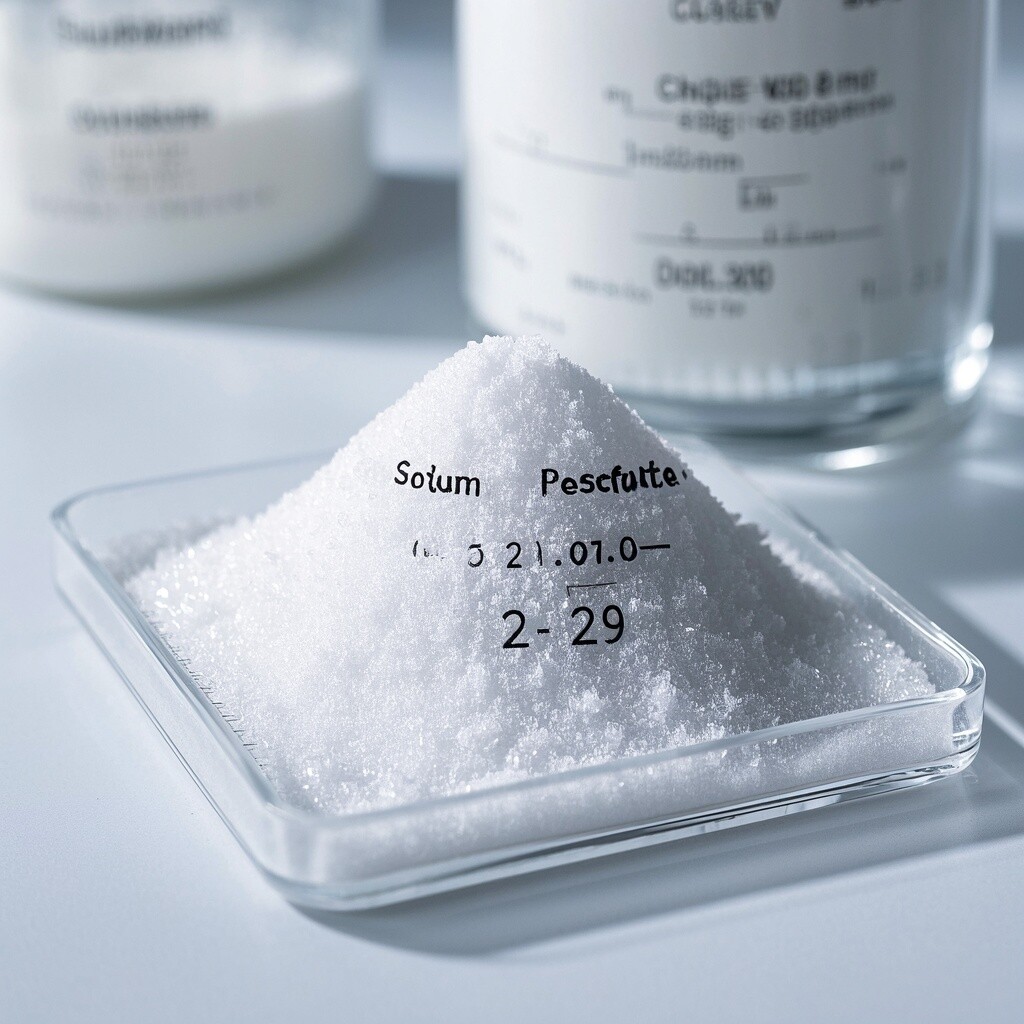
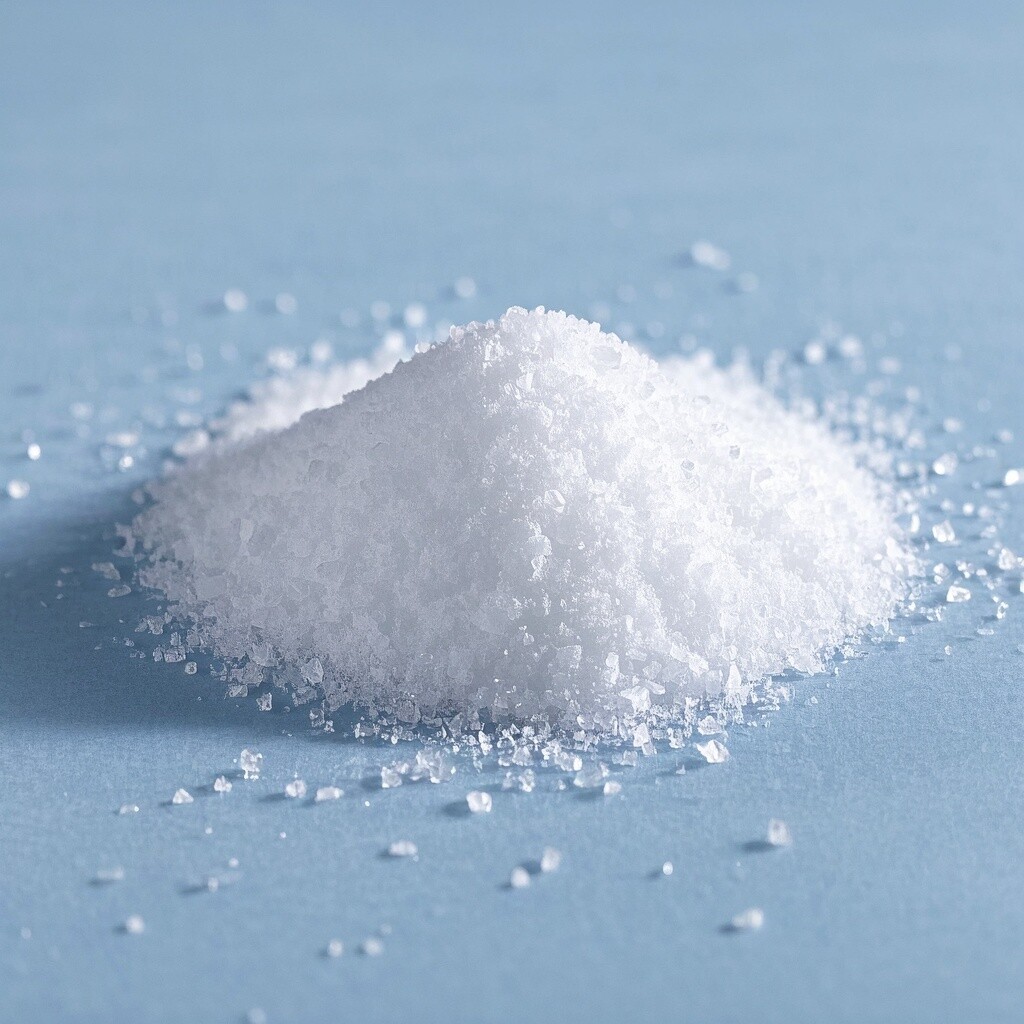
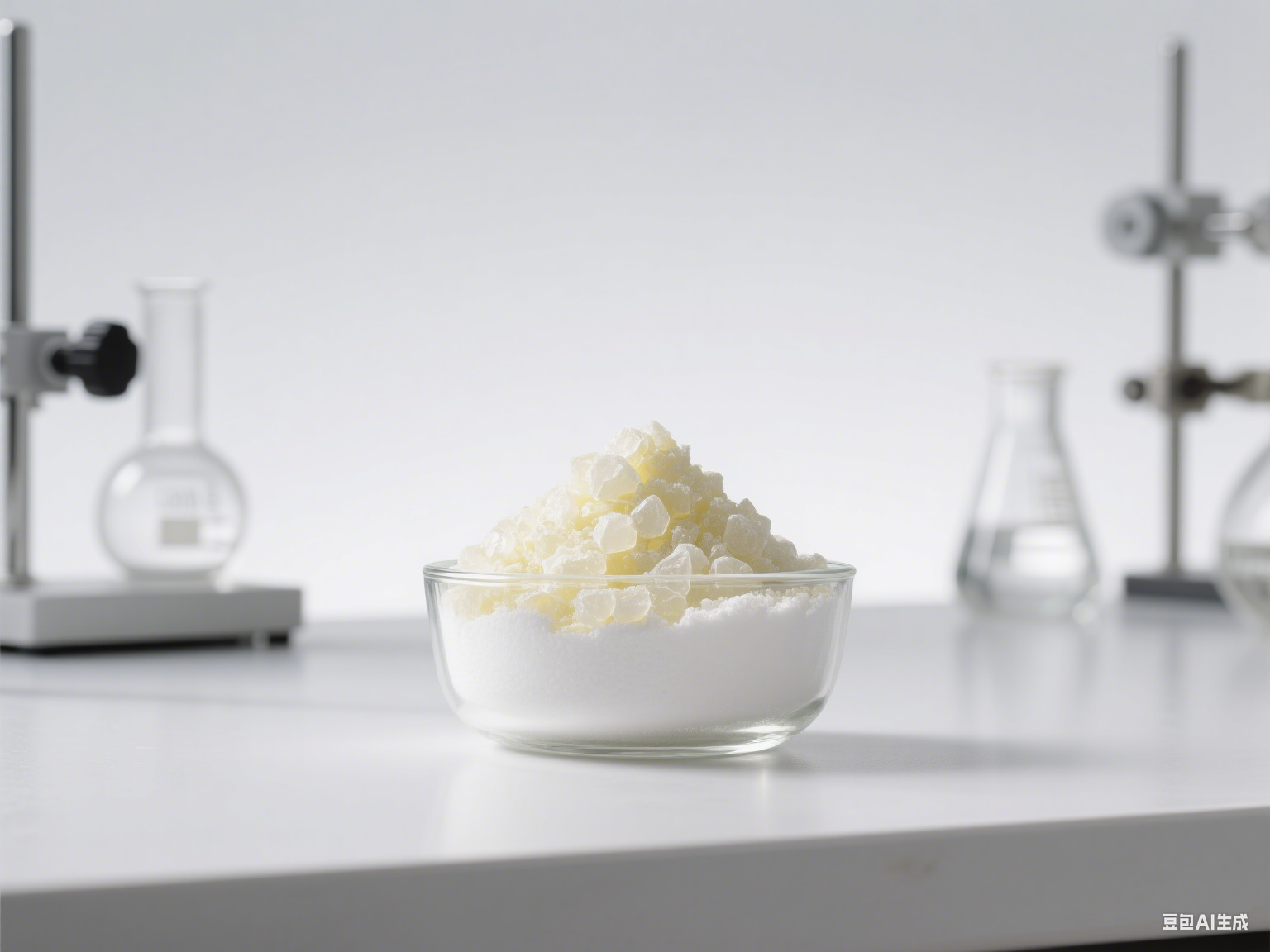
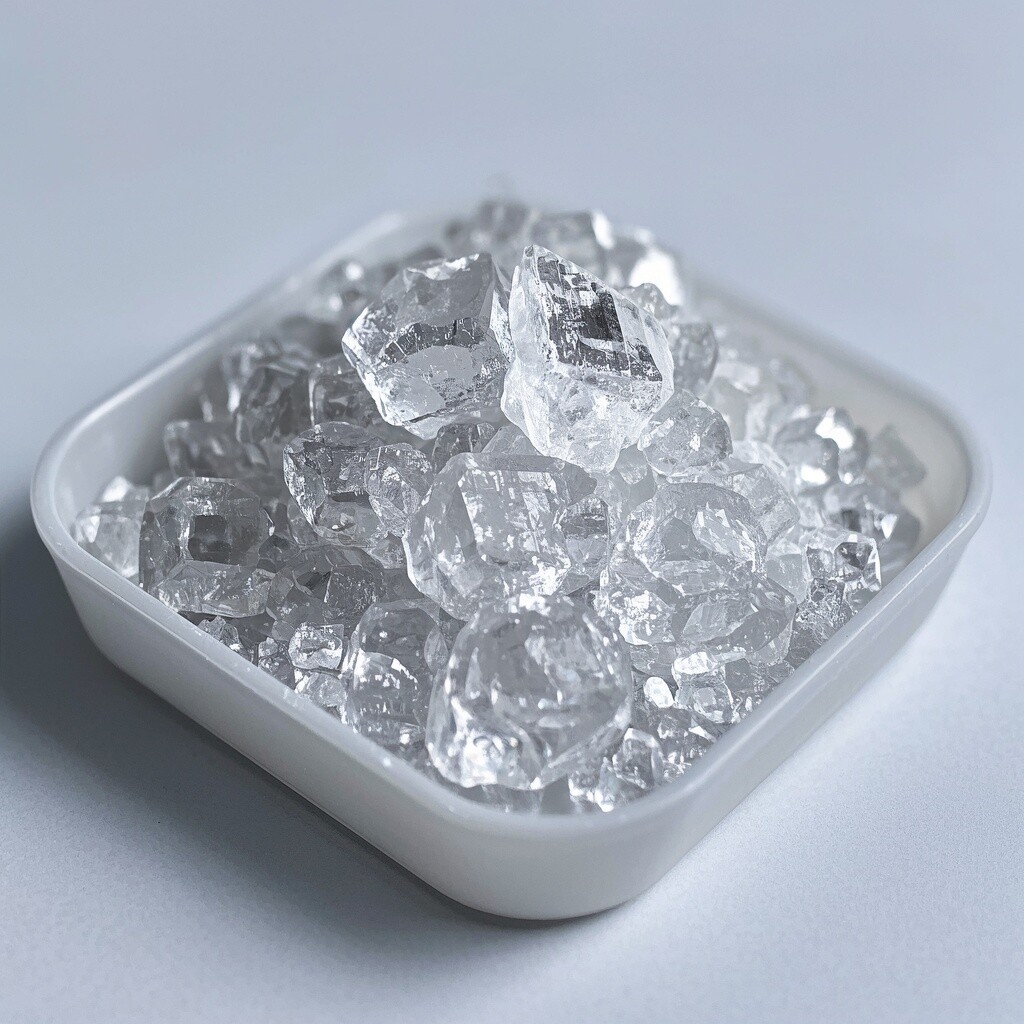
Карбонат кальция представляет собой белый порошок без запаха или кристаллическое твердое вещество при комнатной температуре. В своей природной минеральной форме (например, мрамор) он выглядит как белые или разноцветные блочные кристаллы с определенным блеском. Промышленно производимый легкий карбонат кальция — это рыхлый порошок, а тяжелый карбонат кальция — мелкоизмельченный порошок; они отличаются размером частиц и насыпной плотностью.
Растворимость
Карбонат кальция плохо растворим, его растворимость в чистой воде крайне низка, примерно 0,0014 г/100 мл при 20°C. Однако он растворим в кислых растворах (таких как соляная кислота и уксусная кислота), выделяя углекислый газ при растворении. Эта характеристика является важным методом идентификации карбоната кальция.
Плотность и твердость
Плотность карбоната кальция варьируется в зависимости от кристаллической формы и процесса приготовления: тяжелый карбонат кальция имеет плотность примерно 2,6~2,9 г/см³, а легкий карбонат кальция — примерно 2,4~2,6 г/см³. Его твердость по Моосу составляет 3, что указывает на относительно мягкую текстуру; его можно слегка поцарапать ногтем. Природные кристаллы кальцита имеют три набора совершенных плоскостей спайности.
Стабильность и гигроскопичность
Карбонат кальция стабилен в сухих условиях при комнатной температуре, не гигроскопичен и не склонен к комкованию. Однако длительное воздействие влажной среды, особенно в присутствии кислых газов (таких как углекислый газ и диоксид серы), может вызвать медленную реакцию.
II. Химические свойства
Реакция с кислотами
Карбонат кальция может вступать в реакцию двойного обмена с сильными кислотами, образуя растворимые соли кальция, воду и углекислый газ.Эта реакция часто используется в лабораторном производстве углекислого газа и в промышленной обработке кислых сточных вод.
Реакция термического разложения
Карбонат кальция нестабилен при нагревании. В условиях высокой температуры (примерно 825°C) он разлагается на оксид кальция (негашеную известь) и углекислый газ. Это основная реакция в промышленном производстве негашеной извести из известняка.
Реакция с углекислым газом
В присутствии воды введение избытка углекислого газа в карбонат кальция приводит к образованию растворимого в воде гидрокарбоната кальция. Эта реакция лежит в основе химического принципа образования пещер и сталактитов в природе. Наоборот, при нагревании или снижении давления раствора гидрокарбоната кальция он разлагается и снова превращается в осадок карбоната кальция.
Не восстановительные и слабощелочные свойства
Карбонат кальция имеет мягкие химические свойства и не обладает восстановительными свойствами. Его суспензия слабощелочная и может использоваться для регулирования pH воды или почвы, но его щелочность намного слабее, чем у гидроксида кальция.
Основные области применения
I. Строительная промышленность
Производство цемента и бетона
Карбонат кальция является ключевым сырьем для клинкера цемента. После высокотемпературного обжига он образует оксид кальция, который участвует в реакции гидратации цемента. Он также может использоваться в качестве наполнителя в бетоне, улучшая его прочность, износостойкость и долговечность, одновременно снижая производственные затраты.
Стеновые и декоративные материалы
Используется в производстве гипсокартона, легких перегородочных плит, керамической плитки и панелей, имитирующих мрамор, он улучшает формовочные свойства, белизну и прочность на сжатие материала. Также может использоваться в качестве наполнителя в красках и шпатлевках, улучшая укрывистость и адгезию покрытия, а также повышая гладкость поверхности стен.
Дорожное строительство
В качестве наполнителя для дорожных оснований он смешивается с асфальтом, образуя асфальтобетонные смеси, улучшая прочность на сжатие и устойчивость к старению дорожного покрытия. Подходит для укладки автомагистралей и городских дорог.
II. Пластмассовая и резиновая промышленность
Модифицирующий наполнитель для пластмасс
Один из наиболее широко используемых неорганических наполнителей в пластмассовой промышленности, он может применяться в таких универсальных пластиках, как полиэтилен (PE), полипропилен (PP) и поливинилхлорид (PVC), а также в инженерных пластиках, таких как ABS и нейлон. Добавление карбоната кальция может улучшить жесткость, термостойкость и стабильность размеров пластмасс, одновременно снижая затраты на сырье. Нано-карбонат кальция также может повысить ударную вязкость и устойчивость к ударам пластмасс и используется в производстве автомобильных деталей, корпусов бытовой техники и труб.
Усиливающий агент для резины
В резиновых изделиях карбонат кальция может использоваться в качестве усиливающего наполнителя и расширителя для улучшения прочности на растяжение, сопротивления раздиру и износостойкости резины, а также для улучшения технологических свойств. Широко применяется в производстве шин, резиновых уплотнений, конвейерных лент, подошв обуви и т.д. Активированный карбонат кальция (с модифицированной поверхностью) обладает лучшей совместимостью с резиной и превосходным усиливающим эффектом.
III. Целлюлозно-бумажная промышленность
Наполнитель для бумаги
Используется в производстве различных видов бумаги, таких как культурная бумага, упаковочная бумага и туалетная бумага, добавление карбоната кальция может улучшить белизну, непрозрачность, гладкость и печатные свойства бумаги, снизить количество используемого волокнистого сырья и уменьшить затраты на производство бумаги. Тяжелый карбонат кальция в основном используется в бумаге с низкой плотностью, а легкий карбонат кальция подходит для бумаги среднего и высокого качества.
Покрытия для бумаги
В качестве пигментов для мелованной бумаги карбонат кальция смешивается с клеями и добавками для образования покрытий. Нанесенный на поверхность бумаги, он улучшает глянец, гладкость и впитываемость чернил бумагой и используется в производстве высококачественной печатной бумаги, такой как мелованная бумага и легкая мелованная бумага.
IV. Лакокрасочная и чернильная промышленность
Наполнители и пигменты для покрытий
В латексных красках, водных и масляных покрытиях карбонат кальция может использоваться в качестве экстендерного пигмента для улучшения укрывистости, атмосферостойкости и устойчивости к истиранию покрытия, одновременно снижая стоимость рецептуры. Некоторые высокобелые сорта карбоната кальция могут заменять диоксид титана, уменьшая количество дорогих пигментов.
Наполнители для чернил
Используется в производстве офсетных и глубоких печатных чернил, улучшает текучесть, стабильность и красящую способность чернил, а также повышает четкость печатных материалов. Подходит для упаковочной печати, книгопечатания и других областей.
V. Пищевая, фармацевтическая и бытовая химическая промышленность
1. Пищевые добавки
Как пищевой карбонат кальция, он может использоваться в качестве кальциевого обогатителя, добавляться в молочные продукты, печенье, хлеб, напитки и другие продукты для восполнения потребности организма в кальции. Также может использоваться в качестве регулятора кислотности и антислеживающего агента при производстве сухого молока, приправ и конфет.
2. Фармацевтическая промышленность
- Как сырье для кальциевых добавок, используется в производстве таблеток карбоната кальция, гранул карбоната кальция D3 и других препаратов, подходит для профилактики и лечения дефицита кальция.
- Как фармацевтическая вспомогательная субстанция, может использоваться в качестве наполнителя и дезинтегранта в таблетках, улучшая их формование и растворимость.
3. Бытовая химическая промышленность
Используется в производстве зубной пасты в качестве абразива, эффективно очищает зубной налет и пятна с поверхности зубов, не повреждая эмаль. Также может использоваться в косметике в качестве порошкового сырья для регулирования текстуры и укрывистости продукта.
VI. Экология и другие области
1. Охрана окружающей среды
Используется для обработки кислых сточных вод, снижает pH сточных вод путем реакции нейтрализации; также может использоваться в качестве десульфурирующего агента в системах очистки дымовых газов угольных электростанций и металлургических заводов, реагируя с диоксидом серы с образованием сульфата кальция, уменьшая выбросы вредных газов.
2. Кормовая промышленность
Как кормовой карбонат кальция, является кальциевой добавкой для скота, птицы и водных животных, способствует развитию костей, формированию яичной скорлупы и повышает выживаемость.
Меры предосторожности
I. Меры предосторожности для здоровья и безопасности
Защита при контакте с кожей
Карбонат кальция представляет собой белый порошок и сам по себе не является коррозионным. Однако длительный или повторяющийся контакт может поглощать жиры с поверхности кожи, вызывая сухость и шелушение. Рекомендуется носить хлопковые или нитриловые перчатки и рабочую одежду с длинными рукавами при обращении, чтобы избежать длительного воздействия на кожу. В случае случайного контакта просто промойте водой; специального лечения не требуется. Если возникает зуд, нанесите мягкий увлажняющий лосьон для облегчения.
Защита глаз
Если пыль карбоната кальция попадает в глаза, это может вызвать раздражение конъюнктивы, вызывая дискомфорт, такое как ощущение инородного тела и слезотечение, но не приведет к серьезным повреждениям. Носите ударопрочные очки во время работы, особенно во время пыльных процессов, таких как дробление, просеивание и загрузка. В случае попадания в глаза немедленно поднимите веки и промойте большим количеством проточной воды в течение 1-2 минут. Дискомфорт должен исчезнуть сам по себе после растирания. Если дискомфорт сохраняется, немедленно обратитесь за медицинской помощью.
Защита органов дыхания
Вдыхание пыли карбоната кальция может привести к ее осаждению на слизистой оболочке носа и глотки, вызывая такие симптомы, как сухость в горле и кашель. Длительное вдыхание в больших количествах может вызвать легкое воспаление дыхательных путей. Работы должны проводиться в хорошо проветриваемых помещениях или с включенным местным вытяжным оборудованием. При высоком уровне пыли носите респиратор уровня KN90 или выше. После работы немедленно прополощите рот и очистите носовую полость, чтобы уменьшить остаточную пыль.
Защита от проглатывания
Карбонат кальция обладает низкой токсичностью; небольшое количество, попавшее внутрь, не нанесет вреда организму (пищевой карбонат кальция обычно используется в качестве пищевой добавки). Однако промышленный карбонат кальция может содержать следовые примеси, и чрезмерное проглатывание может вызвать желудочно-кишечный дискомфорт, такой как вздутие живота и запор. Мойте руки после работы. Еда и курение строго запрещены в рабочей зоне. Промышленные продукты должны храниться строго отдельно от продуктов питания, напитков и кормов для животных, а упаковка должна быть помечена как "Для промышленного использования". В случае проглатывания большого количества выпейте теплую воду для ускорения метаболизма. Обратитесь за медицинской помощью, если возникнет сильное вздутие живота.
II. Меры предосторожности при хранении и транспортировке
Требования к хранению
- Храните в прохладном, сухом и хорошо проветриваемом складе, вдали от источников огня и тепла. Строгий контроль температуры не требуется; относительная влажность не должна превышать 80%.
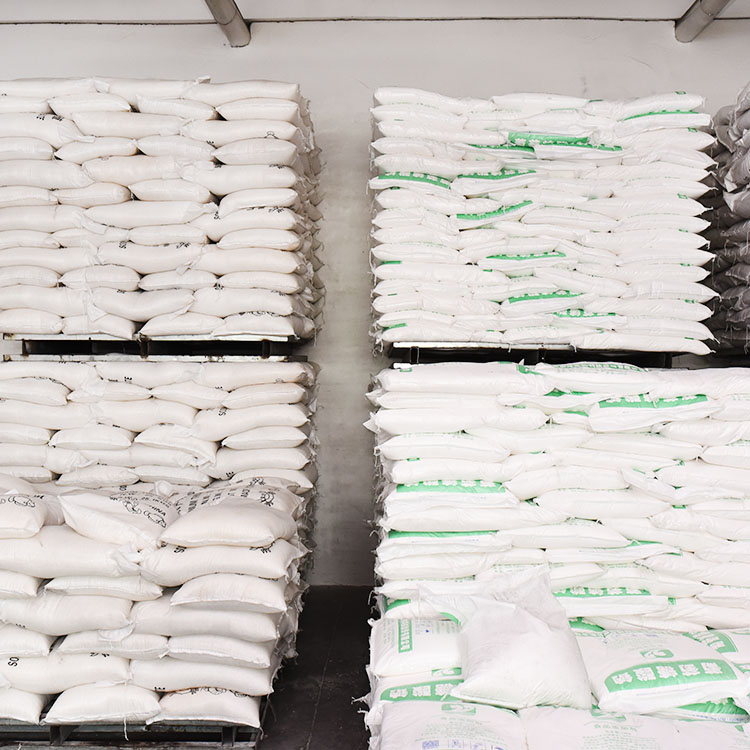
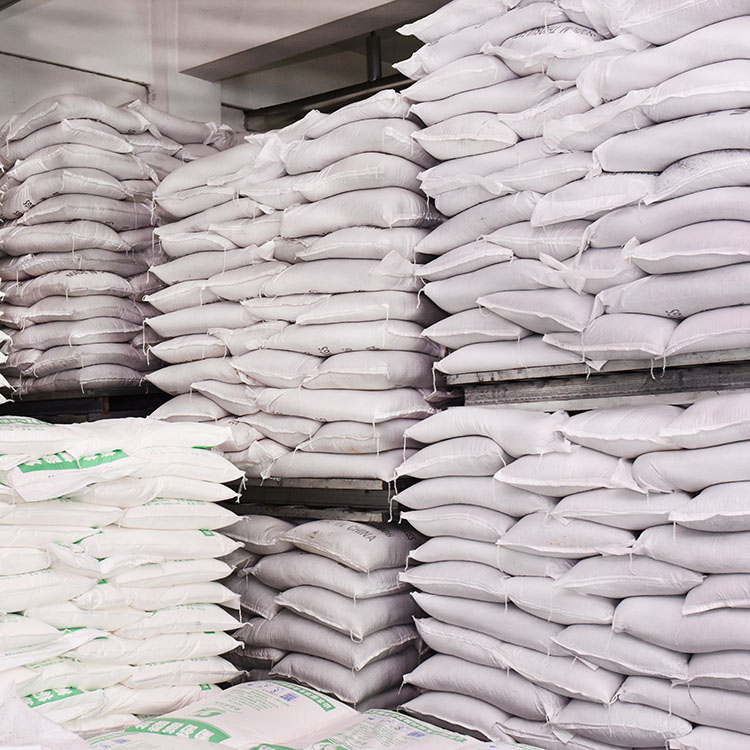
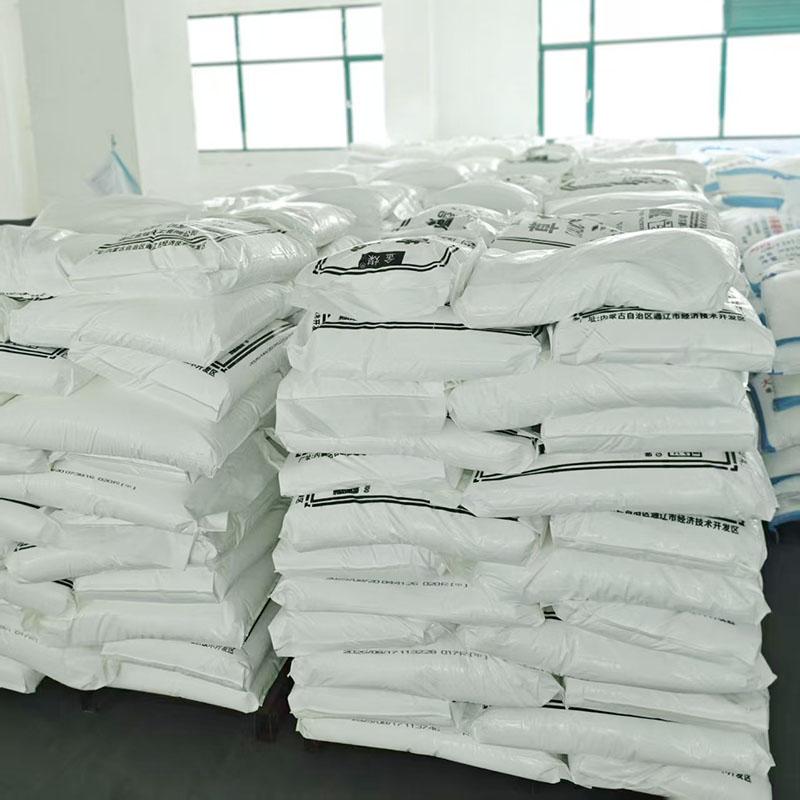
- Используйте тканые мешки или герметичные контейнеры с полиэтиленовой пленкой для предотвращения поглощения влаги и комкования. При штабелировании поднимите дно контейнера не менее чем на 10 см и поддерживайте расстояние 20 см от стены, чтобы избежать повреждения влагой.
- Не храните вместе с сильными кислотами (соляная кислота, серная кислота и т.д.), чтобы предотвратить реакцию с выделением углекислого газа, что может вызвать расширение или даже разрыв упаковки. Храните отдельно от других химических продуктов.
- Зона хранения должна быть оборудована базовыми средствами для уборки разливов, такими как веники и совки; специальное аварийное оборудование не требуется.
Требования к транспортировке
- Поддерживайте транспортные средства в чистоте и сухости. В грузовом отсеке можно расстелить водонепроницаемые брезенты для предотвращения поглощения влаги продуктом. Накрывайте продукт брезентами во время транспортировки, чтобы избежать дождя, солнечного света и пыли.
- Обращайтесь осторожно при погрузке и разгрузке, чтобы предотвратить повреждение упаковки и утечку порошка; строго запрещена транспортировка вместе с сильными кислотами, чтобы избежать химических реакций во время перевозки.
- Карбонат кальция является обычным химическим продуктом; транспортировка должна соответствовать общим правилам перевозки грузов, избегая густонаселенных районов.
III. Действия при утечках
Незначительные утечки: Соберите непосредственно сухим веником или лопатой в герметичный контейнер, переупакуйте и продолжайте использование; специальная обработка не требуется. Рассыпанную пыль можно просто подмести, избегая ее поднятия.
Крупные утечки: Установите временную зону предупреждения, запретив несанкционированный доступ; ограничьте зону утечки водонепроницаемой тканью, соберите разлитый материал и перенесите его в специальный контейнер; носите респиратор во время уборки, чтобы избежать вдыхания пыли. Не смывайте разлитый материал в канализацию, чтобы предотвратить засорение труб небольшим количеством неубранной пыли.
IV. Меры предосторожности для окружающей среды
Карбонат кальция практически безвреден для окружающей среды; небольшие количества, попавшие в воду или почву, не вызывают загрязнения, но большое количество пыли, попавшее в воду, может временно повлиять на прозрачность воды. Производственные сточные воды могут быть сброшены после простой отстойной обработки без нейтрализации.
Упаковка от карбоната кальция может быть переработана или утилизирована как обычные твердые отходы; просроченный или списанный промышленный карбонат кальция может быть непосредственно захоронен без вреда для почвы.
О компании
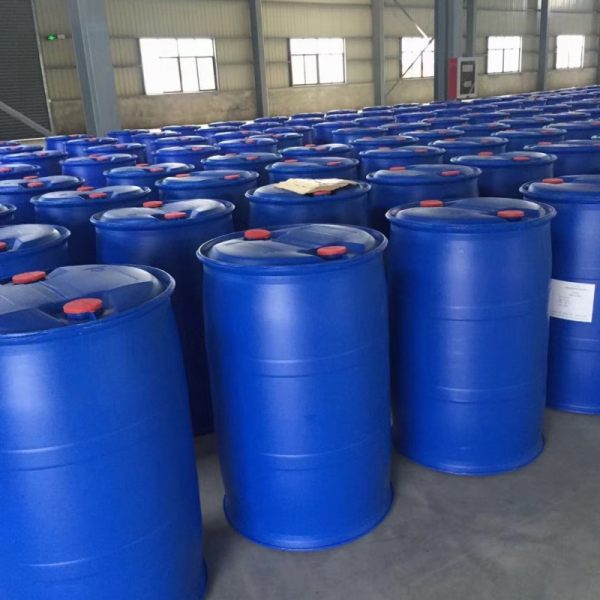
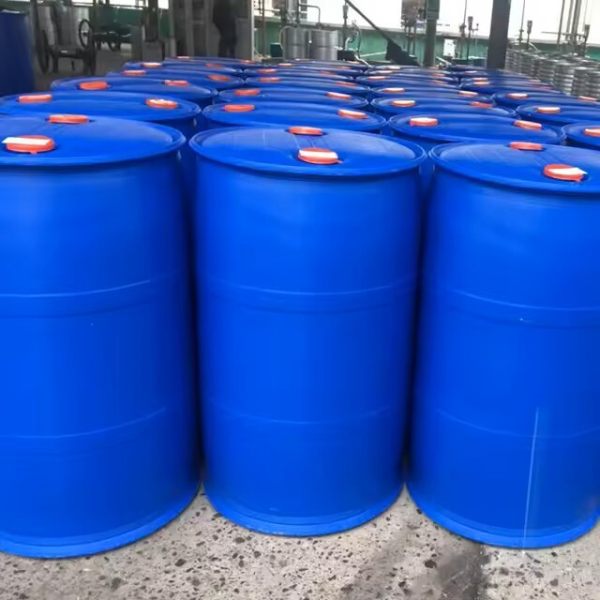
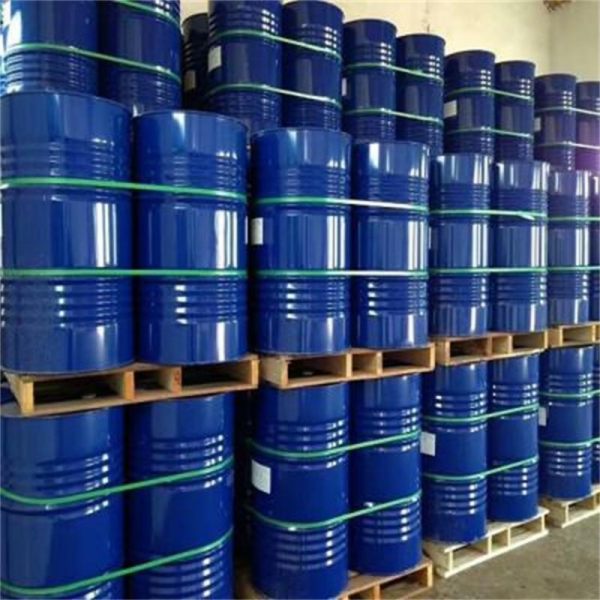
Junteng Chemical — это профессиональная торговая компания химического сырья, которая стремится предоставлять клиентам услуги комплексных закупок. Благодаря строгому управлению поставщиками, цепочками поставок и послепродажным обслуживанием компания гарантирует соответствие качества продукции, транспортировки и использования потребностям клиентов. Кроме того, техническая команда компании бесплатно предоставляет индивидуальные решения и услуги поддержки.
Компания реализует проекты в фармацевтической, пестицидной, нефтехимической, строительной отраслях, а также в сфере пищевых добавок, очистки сточных вод, клеев, чернил, красок, покрытий, переработки пластмасс и резины, сырья для моющих средств, удобрений и текстильных фабрик. Junteng Chemical поставляет продукцию стабильного и надежного качества, сотрудничая с отечественными и международными компаниями, такими как Luxi Group, Weiyuan Chemical, Qilu Petrochemical, Dongying Lihuayi, Yanshan Petrochemical, Sinopec, Shijiazhuang Refinery, Qingdao Petrochemical, Sailboat, Dow Chemical, BASF, а также компаниями из Южной Кореи, Тайваня и Саудовской Аравии. Наша стабильная поставка, превосходное качество продукции и зрелая логистика завоевали широкую клиентскую базу. Мы с нетерпением ждем сотрудничества со всеми вами для взаимовыгодного будущего.
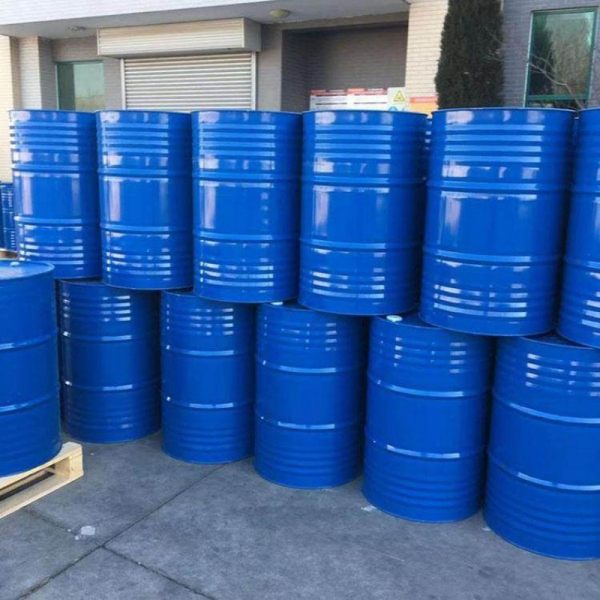
Преимущества компании

Комплексная закупка
Платформа
Мы интегрируем ресурсы по всем категориям продукции, включая органические растворители, смолы и каучуки, неорганические химикаты, и строго контролируем поставщиков, цепочки поставок и послепродажные процессы, чтобы обеспечить стабильное качество, эффективную транспортировку и беспроблемное использование, упрощая ваш процесс закупок.

Профессиональная команда Технологическая поддержка
Обладая опытной технической командой, мы предоставляем бесплатные индивидуальные решения и профессиональную техническую поддержку клиентам в различных отраслях, таких как фармацевтика, нефтехимия, покрытия и чернила, очистка сточных вод, помогая вам решать проблемы и повышать эффективность.

Глобальная безопасность цепочки поставок
Мы сотрудничаем с ведущими отечественными и зарубежными химическими гигантами, такими как Luxi Group, Qilu Petrochemical, Sinopec, BASF из Германии и Dow из США, чтобы создать стабильную и надежную сеть высококачественных поставок и зрелую логистическую систему, обеспечивая своевременную и безопасную доставку
продукции.

Концепция глубокого взаимовыгодного сотрудничества
Придерживаясь концепции «честность, оперативность, профессионализм, инновации и взаимная выгода» и считая своей миссией «успех клиента и альтруизм», мы стремимся к установлению долгосрочных стратегических партнерских отношений и созданию лучшего будущего с помощью отличных продуктов и услуг.
Сопутствующие товары
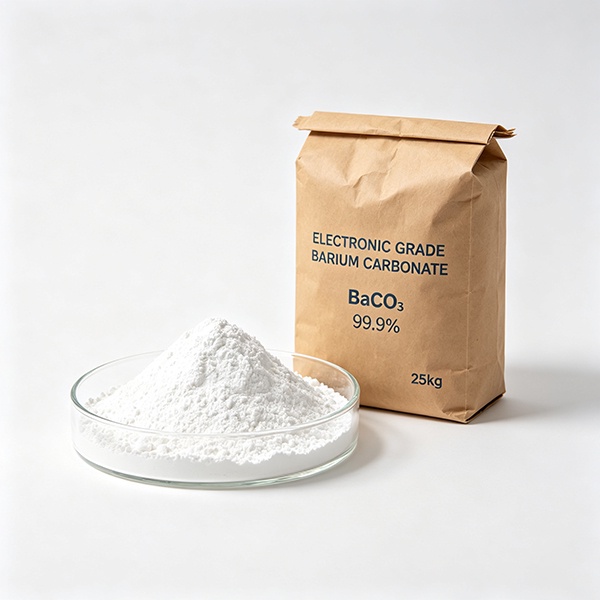
 Карбонат бария электронного класса, гранулированный карбонат бария
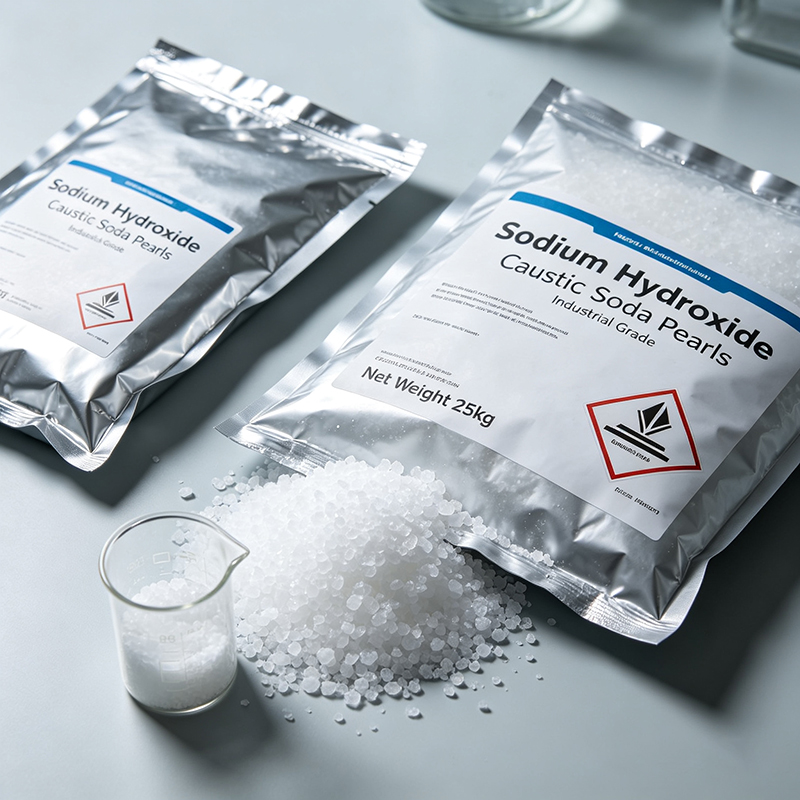
") Гидроксид натрия (каустическая сода в гранулах, чешуях или жидкой форме — 32%/48%)
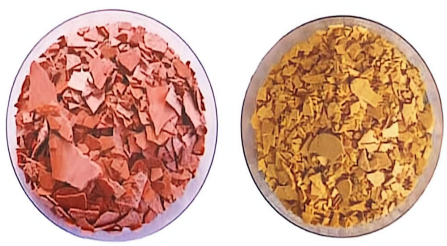
Гидроксид натрия (каустическая сода в гранулах, чешуях или жидкой форме — 32%/48%) сульфид натрия
") Акриламид 98% (микробиологический сорт)
Акриламид 98% (микробиологический сорт)") Сода кальцинированная/карбонат натрия (легкая, тяжелая, пищевая)
Сода кальцинированная/карбонат натрия (легкая, тяжелая, пищевая) Диацетат натрия
 Ацетат натрия тригидрат
 Сульфат цинка
 Сульфат железа гептагидрат Безводный сульфат железа
 Гидросульфид натрия
 Сульфид натрия
 Карбонат кальция
 Гидроксид кальция 90–99.5%
 Оксид кальция
 Нитрат меди
") Метоксид натрия (SMO)
Метоксид натрия (SMO)") Этоксид натрия (SEO)
Этоксид натрия (SEO)") Трет-Бутоксид натрия (СТБ)
Трет-Бутоксид натрия (СТБ)") Триполифосфат натрия (STPP)
Триполифосфат натрия (STPP)") Sodium Hexametaphosphate(SHMP)
Sodium Hexametaphosphate(SHMP)") Фосфат натрия (TSP)
Фосфат натрия (TSP) Сульфат натрия
 2-Хлорфенилацетонитрил
 о-Толилуксусная кислота
 Сульфит натрия
 Тиосульфат натрия
 девятиводный") Нитрат железа(III) девятиводный
Нитрат железа(III) девятиводный Силикат калия
 метасиликат лития
 Персульфат натрия
 Персульфат калия
 Салицилат
 Салицилат
 Нитрит натрия
 Нитрит кальция
 Нитрат алюминия
 нитрит кальция

Сообщение
Оставить сообщение
Если вас заинтересовала наша продукция и вы хотите узнать больше деталей, оставьте сообщение здесь, и мы ответим вам как можно скорее.